

Play Therapy in Salem, NH
A safe space for kids to play, express, and heal. Discover how therapy for kids in New Hampshire can help your child.
Why Children’s Therapy Looks Different
Children don’t always have the words to explain how they’re feeling—or why they’re acting out, shutting down, or seeming “off.” That’s because kids naturally express themselves through play, not talk. At Beacon EMDR in Salem, NH, I use play therapy to help children explore emotions, navigate challenges, and feel more secure—on their terms, in their language.
What Is Play Therapy?
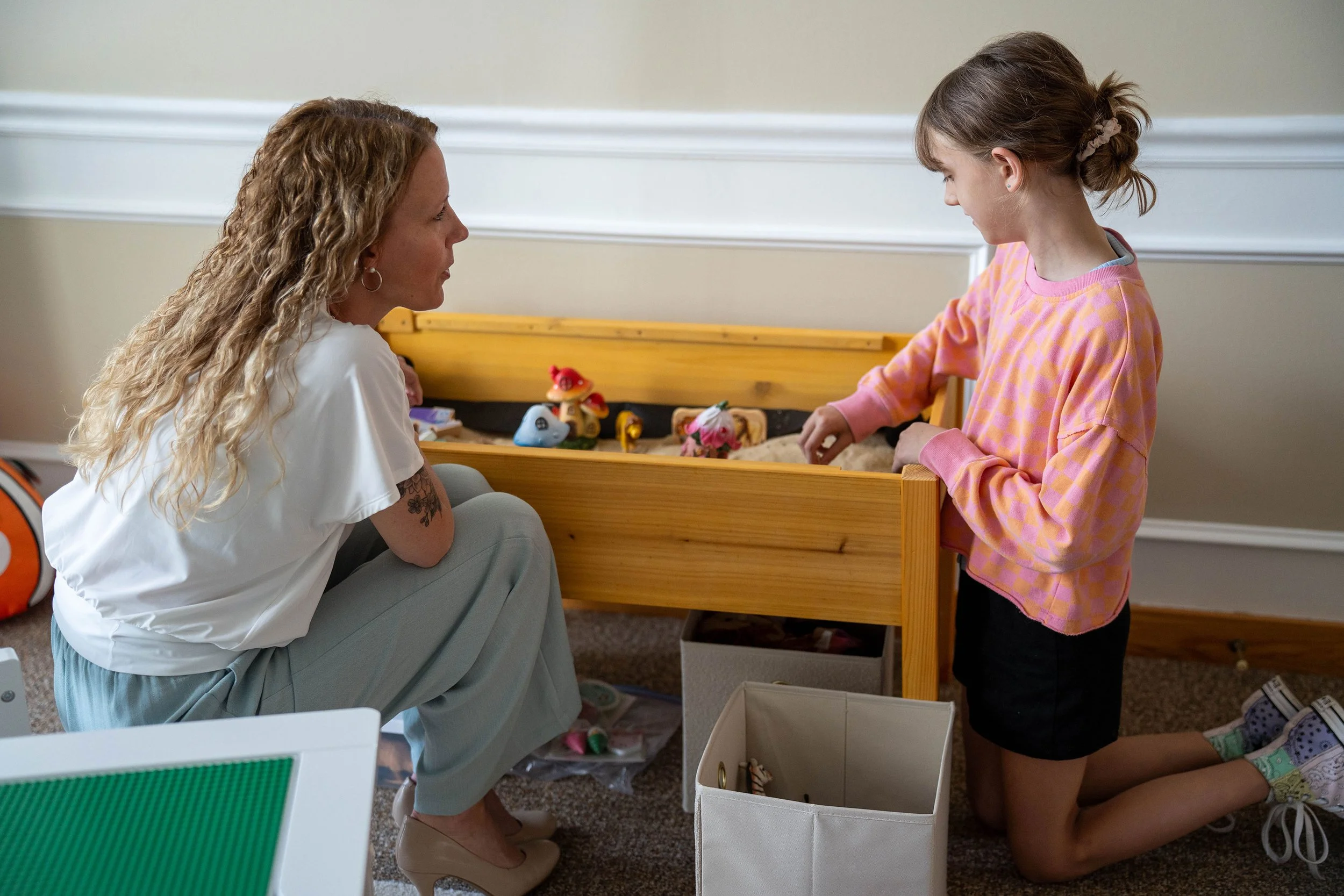
Play therapy is a specialized approach that uses toys, games, art, and creative expression as tools for emotional healing. Rather than sitting and talking through problems (like adult therapy often does), children engage in play that helps them safely process what’s going on inside.
Some sessions may be therapist-directed, with guided activities focused on specific skills or themes. Others are child-directed, allowing the child to lead while I observe and gently support their emotional process.
What Play Therapy Helps With
Children may not say “I’m anxious” or “I’m grieving,” but those feelings still show up—in their behavior, their bodies, and their play. Play therapy can support children who are:
Struggling with anxiety, sadness, or anger
Coping with trauma, abuse, or loss
Adjusting to changes at home or school
Experiencing social or behavioral challenges
Dealing with attachment or relational difficulties
How Play Therapy Works
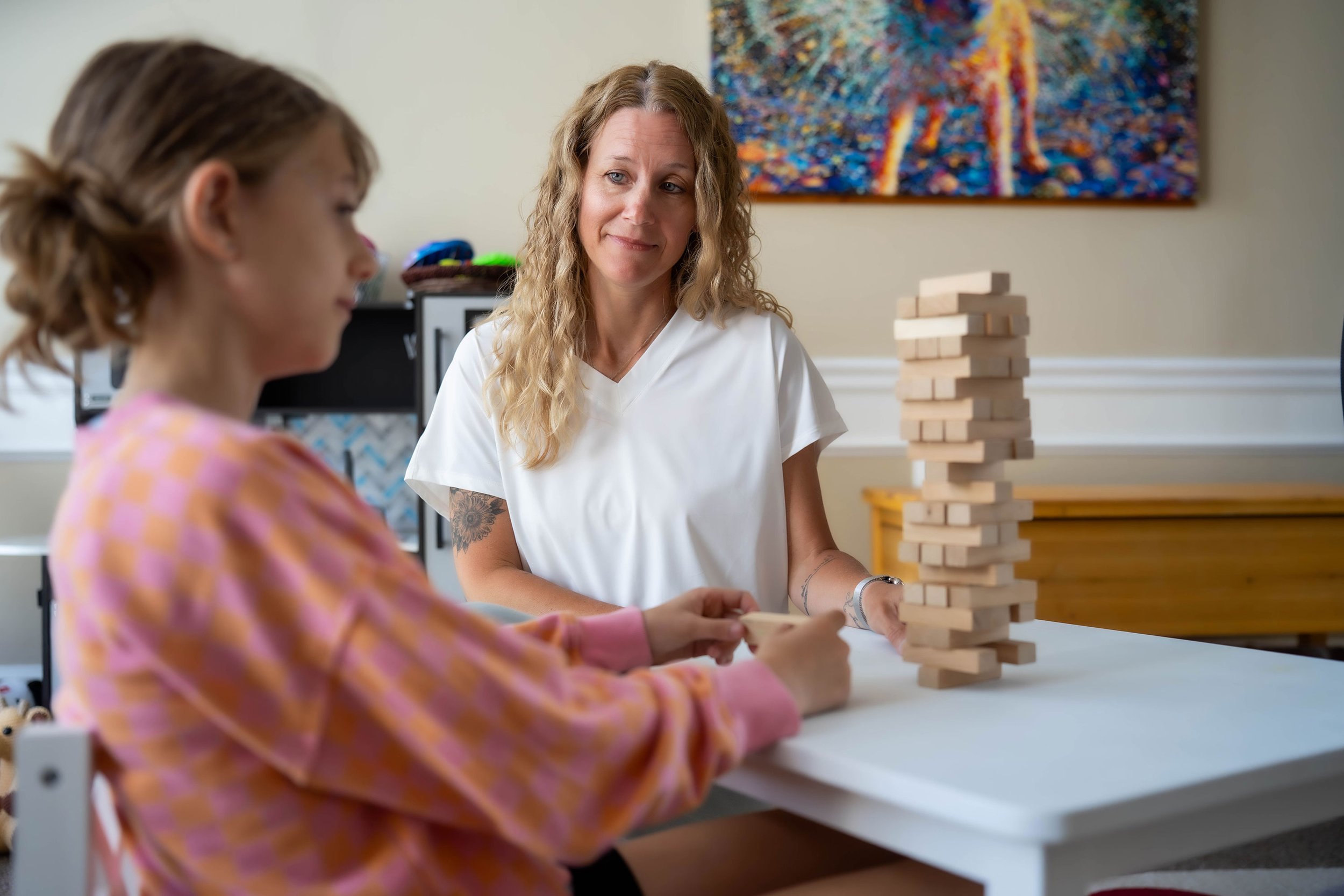
Through play, children can:
Express emotions like sadness, fear, or confusion in a safe, non-threatening way
Build emotional regulation and coping skills
Strengthen self-esteem and confidence
Improve communication and social interactions
Develop problem-solving and resilience
Even when children can’t put their feelings into words, their play often speaks volumes—and therapy gives them a place to be heard, seen, and supported.
While sessions focus on the child’s needs, parent involvement is key. I’ll work closely with you to provide updates, guidance, and support as your child grows through the process. Together, we create a circle of safety and trust—so healing continues outside the therapy room too.
Explore My Space for Play Therapy in Salem, NH
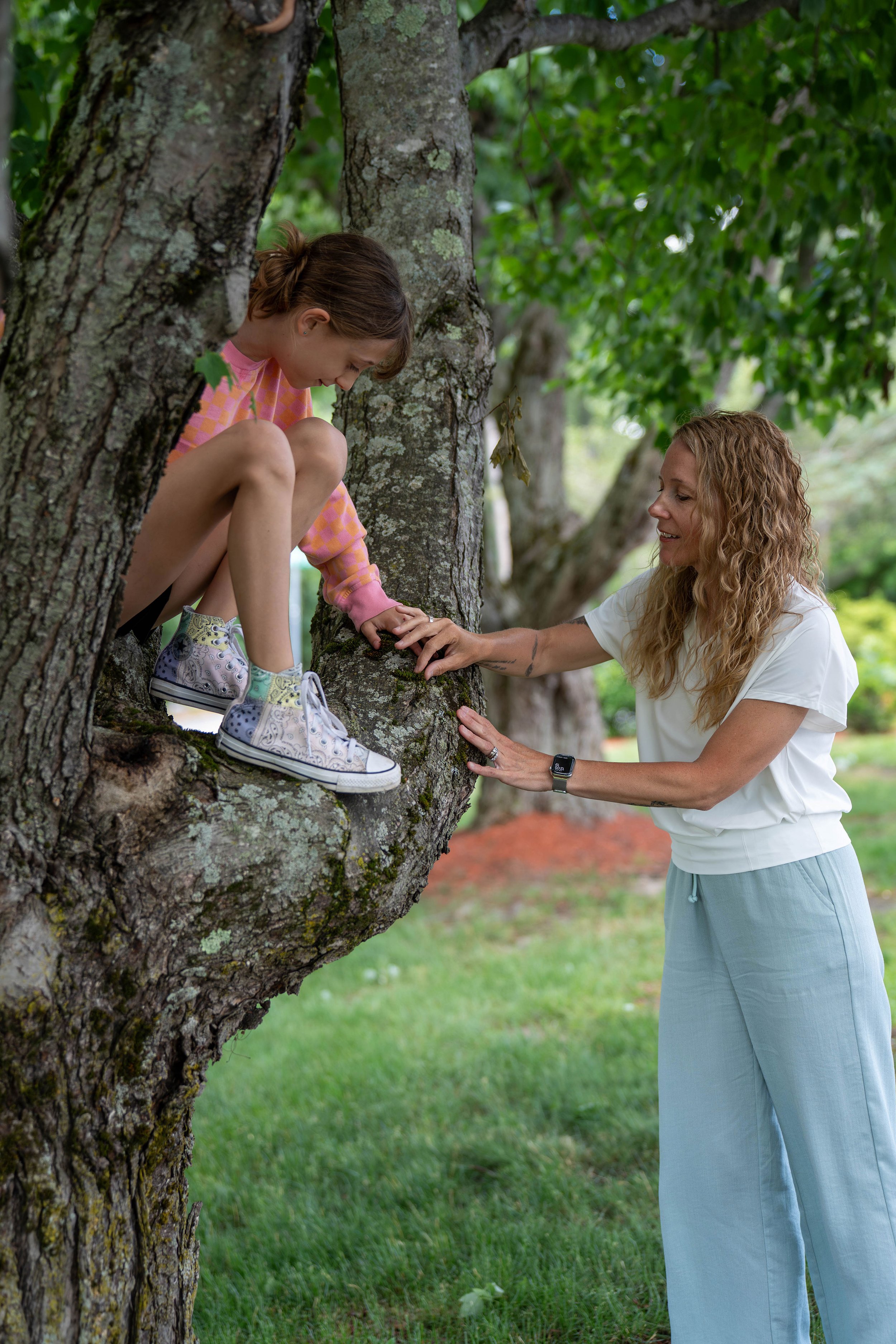
One of the most important aspects of therapy for kids is helping kids feel safe, secure and comfortable enough to share their feelings. This process begins with giving them a safe space to process and talk.
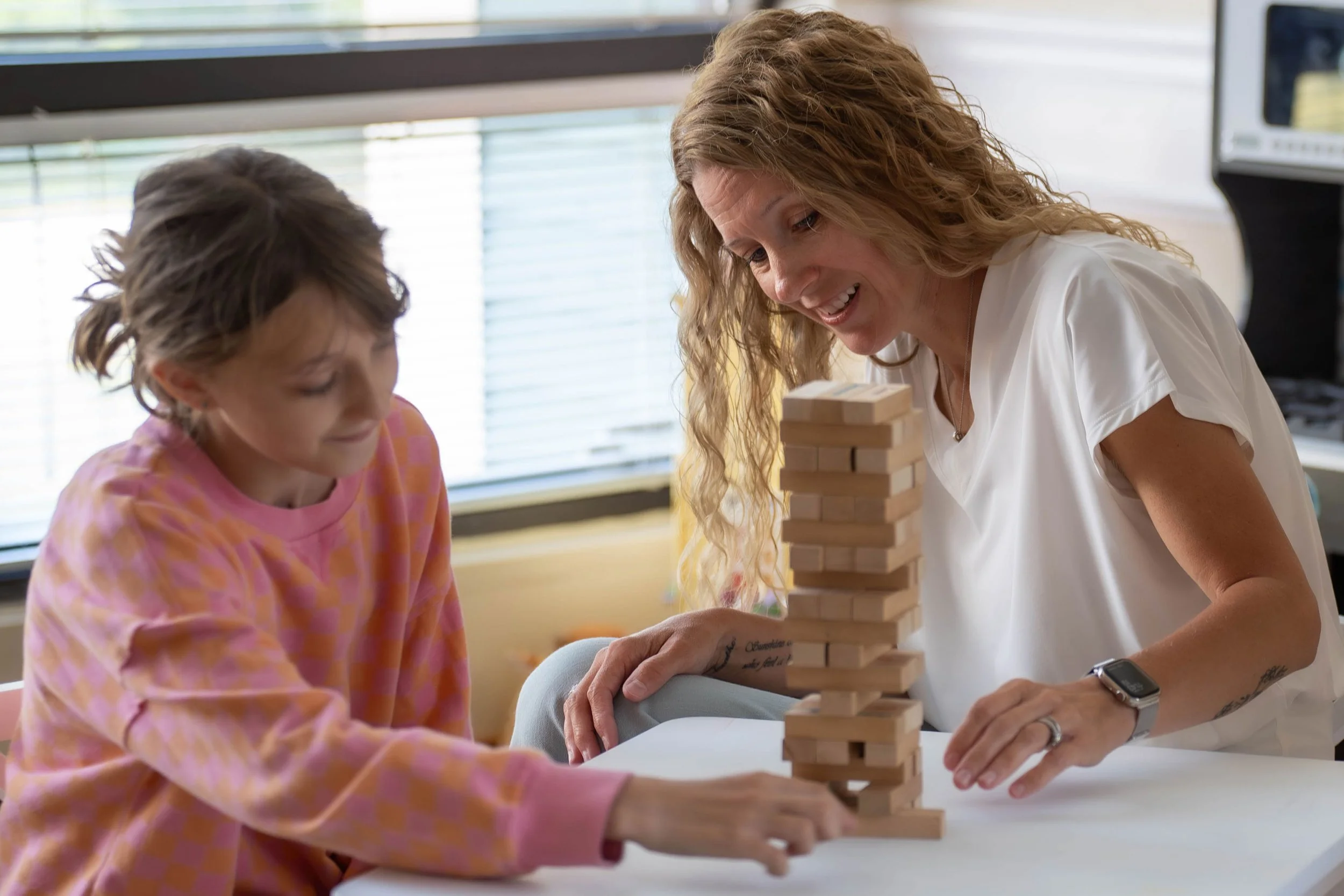
My Salem, NH play therapy practice features a bright spacious playroom with games, Lego table, toys and figurines, sand table, activity table, and arts and crafts supplies galore.
Play Therapy FAQ
Below are some of the most common questions parents ask about play therapy and how it can support their child’s emotional well-being.
-
Play therapy is most effective for children ages 3 to 12, though older children and teens can also benefit, especially if they express themselves more comfortably through creative or experiential activities rather than traditional talk therapy.
-
A common example is sand tray play, where a child uses figures, objects, and scenery to create a world in the sand. This allows them to express feelings, process experiences, and try out solutions symbolically, without needing to explain everything in words.
-
If your child is consistently anxious, withdrawn, angry, overwhelmed, acting out, struggling socially, having trouble adjusting to changes, or showing regressions or physical symptoms tied to stress, play therapy may be a helpful and supportive option.
-
Play therapy sessions typically last 45–50 minutes, giving your child enough time to settle in, engage deeply in their play, and transition out comfortably at the end.
-
Caregiver involvement is an important part of the process. While most sessions are held one-on-one with your child, we’ll meet regularly for parent check-ins to discuss progress, share insights, and collaborate on strategies that support your child at home.
-
Yes. EMDR can be highly effective for children, but it’s adapted to be developmentally appropriate — using play, storytelling, drawing, and gentle bilateral stimulation that help kids process difficult experiences in a way that feels safe and natural. If you’re interested in EMDR therapy for kids, please contact us so we can determine if it might be a good fit for your child.

Let’s Support Your Child’s Emotional World
If your child is struggling and you’re not sure how to help, play therapy can offer a powerful way forward. I’m here to answer questions, talk through concerns, and create a plan that works for your family. Get started with my Salem, NH play therapy services.